



Entering the world of trading can be both exciting and overwhelming, especially for beginners. With so many terms, strategies, and market dynamics to understand, it’s easy to feel lost. However, with a clear grasp of a few key concepts, you can start your trading journey with confidence. This beginner’s guide covers the fundamental terms and principles you need to know to get started in trading.
1. What is Trading?
At its core, trading involves buying and selling financial instruments like stocks, currencies, commodities, or cryptocurrencies with the goal of making a profit. Traders aim to buy low and sell high (or sell high and buy low in the case of short selling) in order to capture price movements. Trading takes place in various markets, with the most popular being the stock market, forex market (for currencies), and crypto market.
2. Types of Markets
-
Stock Market: Involves trading shares of publicly listed companies. When you buy stock, you own a piece of that company.
-
Forex (Foreign Exchange) Market: The largest financial market in the world, where currencies are traded. For example, you can trade the euro against the US dollar (EUR/USD).
-
Cryptocurrency Market: A relatively newer market, where digital currencies like Bitcoin and Ethereum are traded.
3. Key Trading Instruments
Understanding the different instruments you’ll be trading is crucial. Here are a few:
-
Stocks: Represent ownership in a company. Stock prices fluctuate based on the company’s performance and market sentiment.
-
Currency Pairs: In forex trading, currencies are always traded in pairs, such as EUR/USD or GBP/JPY. The first currency in the pair is the “base” currency, and the second is the “quote” currency.
-
Cryptocurrencies: Digital or virtual currencies that use cryptography for security. Popular examples include Bitcoin, Ethereum, and Litecoin.
4. Understanding Leverage and Margin
One of the unique aspects of trading is leverage, which allows you to control a larger position with a smaller amount of capital. Leverage amplifies both potential profits and losses, making risk management essential.
-
Leverage: For example, if you use 10:1 leverage, you can control a $10,000 position with just $1,000 of your own capital.
-
Margin: This refers to the amount of money you need to put up in order to open a leveraged position. Essentially, it’s a deposit or collateral for your trades.
5. Risk Management
One of the most important concepts in trading is risk management. Successful traders know that protecting their capital is as important as making profits. Some key strategies include:
-
Stop-Loss Orders: An automatic order to sell a security when it reaches a certain price, limiting potential losses.
-
Position Sizing: Determining how much of your capital to risk on a single trade to avoid overexposure.
6. Technical vs. Fundamental Analysis
To make informed trading decisions, traders often rely on one or both of these two methods:
-
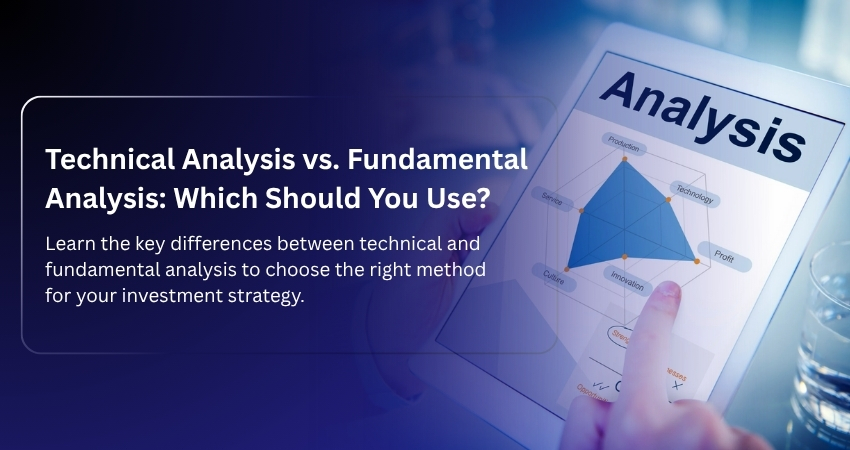
Technical Analysis: Involves analyzing past market data (like price charts) to identify patterns and trends. Indicators like moving averages and RSI (Relative Strength Index) are often used in technical analysis.
-
Fundamental Analysis: Focuses on understanding the underlying factors that affect the value of an asset, such as economic reports, interest rates, and company earnings.
7. The Importance of a Trading Plan
A trading plan is your roadmap for success. It includes your trading strategy, goals, risk tolerance, and the rules you’ll follow. Having a clear plan helps you stay disciplined and avoid emotional decision-making, which can lead to mistakes.
Conclusion
Trading can be a rewarding endeavor, but it requires time, patience, and continuous learning. By understanding these key concepts—markets, instruments, leverage, risk management, and analysis—you’re laying a solid foundation for your trading journey. As you gain experience, you’ll develop your own strategies and refine your approach to become a more confident and successful trader.